Reliable Waukesha Top Painting Contractor Services Available
Choosing the Right Painting Contractor: Tips for a Flawless Finish
Choosing a paint contractor can significantly affect the result of a painting project. It necessitates thoughtful assessment of multiple considerations, such as experience, references, and communication skills. A well-structured approach ensures clear direction and limits potential issues. Knowing what to prioritize is important. With the correct information, homeowners can make informed choices that lead to a successful painting outcome. The following segments will detail important strategies and techniques to manage this undertaking successfully.
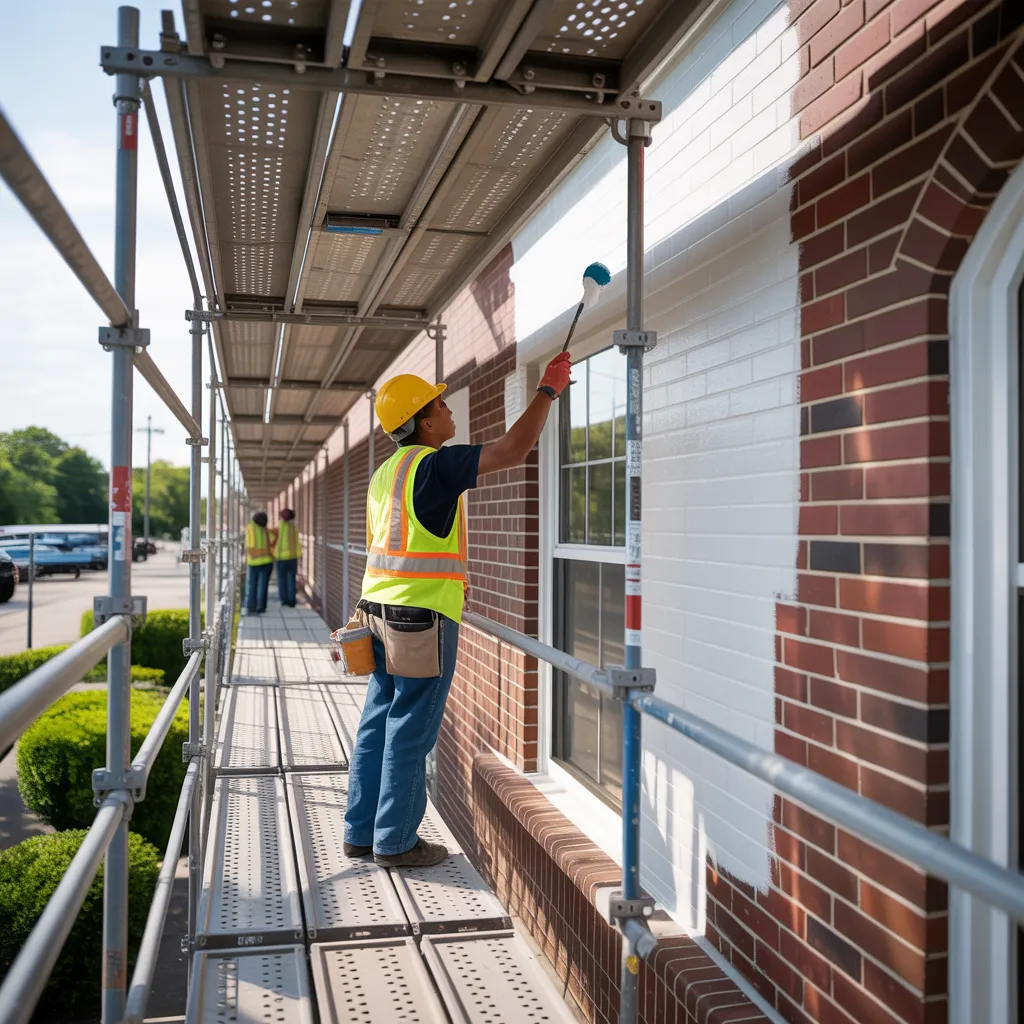
How to Judge a Painting Contractor's Experience
When evaluating a painting contractor's expertise, how can one discern the truly competent from the less qualified? Key indicators include the professional's duration in the industry and their record of accomplished projects. A seasoned contractor generally has a broad portfolio, showcasing various techniques and styles, which demonstrates flexibility and proficiency. insightful guide Moreover, knowing the categories of work they specialize in—both residential and commercial—can offer a glimpse of their level of skill.
An additional crucial factor is the contractor's approach to ongoing education and training. Staying current with evolving industry methods and standards demonstrates professionalism. Obtaining certifications or joining reputable associations can help substantiate their qualifications. Ultimately, thorough evaluation includes not just the number of years operating, but also the diversity and standard of their work, confirming the contractor has the capability to fulfill particular project demands effectively.
What to Consider When Reviewing References and Reviews
When reviewing testimonials and feedback, it is important to look for consistency in the quality of work reported by former clients. This consistency can signal reliability and professionalism. Additionally, examining the contractor's manner of communication through feedback can reveal details about their responsiveness and approachability.
Ensure Consistency in Quality
Reviewing feedback and testimonials is essential for determining a contractor's painting quality consistency. Prospective clients should pay attention to feedback patterns rather than individual remarks. Look for repeated subjects in testimonials—high praise for attention to detail, timeliness, and the standard of execution suggest dependability. Additionally, factor in the quantity of testimonials; a professional with a large quantity of steady favorable testimonials is generally more trustworthy than a contractor with limited reviews. Pay attention to any unfavorable feedback, with special focus on those mentioning inadequate communication or incomplete work. Lastly, request references straight from the contractor and follow up with past clients to obtain direct perspectives on their experiences. This thorough approach serves to confirm that the hired contractor will provide a quality outcome.
Assess Communication Style
How effectively does a painting contractor engage with their clients? This factor is crucial when considering potential candidates. Clients should seek references that highlight the contractor's responsiveness and clarity in discussions. Feedback can indicate if the contractor promptly addresses questions or concerns, reflecting a focus on customer service. Additionally, consider the contractor's ability to explain processes and timelines in an understandable manner. A good communicator will guarantee that clients are well-informed throughout the project. Seek reviews that reference detailed and accurate cost projectionsand clarity concerning products and pricing. At its core, clear communication establishes trust and leads to a more efficient project experience, making it a key factor in selecting the right painting contractor.
Important Topics to Cover When Hiring a Contractor
What essential factors should one consider when hiring a painting contractor? First, verify the contractor's credentials, including licenses and insurance, to confirm legitimacy and protection against liabilities. Then, consider their level of experience and proficiency by seeking references and looking over completed projects. This process enables you to assess the standard of their craftsmanship and overall trustworthiness.
It is also important to go over the variety of techniques and materials they intend to use, as this influences the appearance and durability of the final result. In addition, inquire about the project timeline, as setting clear expectations helps avoid misunderstandings.
Communication is critical; make sure the contractor is available and receptive to inquiries. Inquire about warranties or guarantees related to their work, as this gives you peace of mind regarding the standard of work. Finally, clarify the contract details, ensuring all aspects of the project, including commencement and finishing dates, are documented. These conversations set the stage for a positive and successful painting experience.
Setting a Realistic Budget for Your Project
Setting a realistic budget for a painting project begins with determining the project scope, which details the exact areas designated for painting. When the scope is clearly outlined, it is crucial to factor in material costs, such as paint and painting supplies, alongside labor expenses for the contractor's work. This comprehensive method ensures that homeowners can manage their resources efficiently while avoiding unexpected financial burdens.
Determine Project Scope First
Determining the scope of the project is crucial for a productive painting endeavor. This first step involves carefully determining the surfaces to be covered, the type of finishes desired, and any required preparation tasks. By defining these parameters, homeowners can more clearly grasp the full extent of the project, leading to better cost assessments. A well-defined scope helps avoid unforeseen modifications and added charges during the painting process. Moreover, it facilitates open conversation with potential contractors, ensuring that everyone is in agreement on desired outcomes. Investing the time to outline the project scope initially can considerably elevate the outcome, promoting a smoother workflow and a more pleasing final result. Addressing this step first lays the foundation for a professionally completed painting job.
Consider Material Costs
When calculating the complete budget for a painting project, property owners must diligently account for the cost of materials to guarantee financial feasibility. This involves the cost of paint, primers, application brushes, paint rollers, and additional supplies such as drop cloths and adhesive tape. It is essential to invest in quality materials, as these directly influence the quality and look of the end product. Renovators should examine a range of brands and contrast their costs to achieve an equilibrium between quality and expense. Moreover, accounting for the complete surface area requiring paint will help in estimating the appropriate amount of paint and supplies, preventing unexpected expenses. Budgeting for contingencies, such as additional paint for corrections, can also help create a more precise financial plan.
Factor In Labor Costs
Proper budget planning for a painting undertaking requires careful consideration of labor costs, which can greatly influence the full project cost. Labor costs generally makes up a significant portion of the total budget, so getting thorough cost breakdowns from painting professionals is vital. Professionals may charge by the hour or present a set fee based on the scope of work. It is advisable to inquire about the size of the crew and the projected timeline, as such considerations can influence overall expenses. Furthermore, recognizing the contractor's experience and qualifications can help validate their charges. By incorporating labor expenses into the financial plan, property owners can prevent unforeseen expenses and facilitate a smoother project execution, ultimately leading to a flawless finish.
Which Questions Should You Consider Asking Before Signing?
What key questions should homeowners consider before committing to a contract with a professional painting contractor? First, they should find out about the contractor's experience and references. Understanding their previous work can provide insight into the professionalism and quality of the contractor. Homeowners should also inquire about the materials and paint brands used, as this influences the longevity and finish of the project. Furthermore, discussing the project timeline is vital; understanding the start date and anticipated completion can help in planning. Homeowners should confirm the payment terms, including any deposits required and the final payment terms. Lastly, it's essential to inquire about warranties or guarantees on both labor and materials. These questions help guarantee that homeowners select a contractor who aligns with their expectations and requirements, setting the stage for a successful painting project.
How to Achieve a Hassle-Free Painting Process With Your Contractor
Setting up open communication is crucial for ensuring a smooth painting process with a professional contractor. Homeowners should communicate their needs regarding scheduling, color choices, and detailed project specifications. Frequent communication can aid in managing any emerging concerns and keep the project on track.
Preparation is another key aspect. Homeowners are advised to make sure the work area is open and free of obstructions. This enables the contractor to operate efficiently and helps reduce potential delays.
Furthermore, it is recommended to establish a formal agreement that covers the work parameters, payment plan, and finishing timeline. This agreement functions as a benchmark for both sides, preventing miscommunication.
Ultimately, sustaining a constructive relationship promotes cooperation. Homeowners ought to acknowledge the contractor's hard work, fostering a productive working atmosphere. By following these guidelines, homeowners can contribute to a seamless painting experience, ultimately leading to a flawless finish.
Questions We Often Receive
How Long Does the Painting Project Take to Get Done?
The timeframe of a painting project generally spans from a few days to several weeks, influenced by factors such as the scope of the area, intricacy of the work, and environmental conditions influencing the project timeline.
What Kind of Paint Do You Recommend for My Project?
For the finest results, we recommend using a high-quality, durable acrylic latex paint. This variety provides superior coverage, effortless application, and an enduring finish, making it an excellent choice for interior as well as exterior surfaces, ensuring a professional appearance.
Do You Supply Warranties for Your Work?
Yes, most trusted professional painters offer service warranties on their work. Such guarantees typically cover both materials and labor, guaranteeing that clients receive excellent service and safeguarding from possible problems that could occur after the work is completed.
How Do You Manage Unexpected Problems During the Project?
The contractor handles unexpected issues by promptly evaluating the situation, engaging honestly with the client, and offering remedies. This preventative strategy secures reduced setbacks and preserves scheduled deadlines while achieving client approval during every stage.
Can I See a Portfolio of Your Previous Work?
The contractor readily provided a portfolio featuring diverse projects, emphasizing exceptional craftsmanship and precision. Each accomplished task showcased their skill, enabling prospective clients to evaluate their approach and suitability for future painting projects.